 210-651-1611
 info@hprtx.org
Facing an unexpected pregnancy can feel overwhelming, but you don’t have to let fear guide your decisions. An ultrasound can provide clear information about your options and help you make an informed decision.
This article looks at Texas’s abortion laws and explains why you need an ultrasound before an abortion. Keep reading to learn more.
Do You Have to Get an Ultrasound Before an Abortion in Texas?
Abortion is currently banned in Texas, except to preserve the life of the pregnant woman. This will not affect care for miscarriage or ectopic pregnancy. A woman who seeks or obtains an abortion will not be held criminally or civilly liable under Texas law.[1][2] Even if you qualify for life-saving treatment, you will still be required to receive an ultrasound. If you are considering traveling out of state for an abortion, we strongly recommend receiving an ultrasound first.Why Is an Ultrasound Before Abortion Necessary?
An ultrasound provides clarity on two critical factors: pregnancy viability and gestational age. This information helps you understand your pregnancy options and make the best decision for your health.What is Viability in Pregnancy?
A viable pregnancy indicates that the pregnancy is progressing normally and has the potential to continue to term. During an ultrasound, technicians look for signs like a fetal heartbeat. This usually appears between 6.5 and 7 weeks of pregnancy.[3] Getting an ultrasound before an abortion helps check for nonviable pregnancies. This includes miscarriages and ectopic pregnancies, where the embryo grows outside the uterus. These conditions need alternative medical care.What is Gestational Age?
Gestational age refers to how far along you are in your pregnancy. Doctors measure it from the first day of your last period. Knowing your gestational age is crucial because the abortion pill (mifepristone) is only FDA-approved for use up to 10 weeks of gestation.[4]Benefits of an Ultrasound Before Abortion
Receiving an ultrasound before abortion offers several benefits beyond meeting legal requirements. It allows you to:- Avoid abortion costs. An ultrasound can help you avoid abortion costs if the pregnancy is not viable.
- Receive appropriate care. If your ultrasound reveals a miscarriage or ectopic pregnancy, you can pursue appropriate medical care instead of an abortion.
- Receive early intervention. Ultrasounds catch around 85% of ectopic pregnancies before a rupture occurs.[5] This early detection can be life-saving.
What to Expect During an Ultrasound
An abdominal ultrasound is a safe and non-invasive test. It uses high-frequency sound waves to make clear images of your pregnancy.[6] During the ultrasound:- You will lie comfortably on a table. A trained technician will put warm gel on your abdomen.
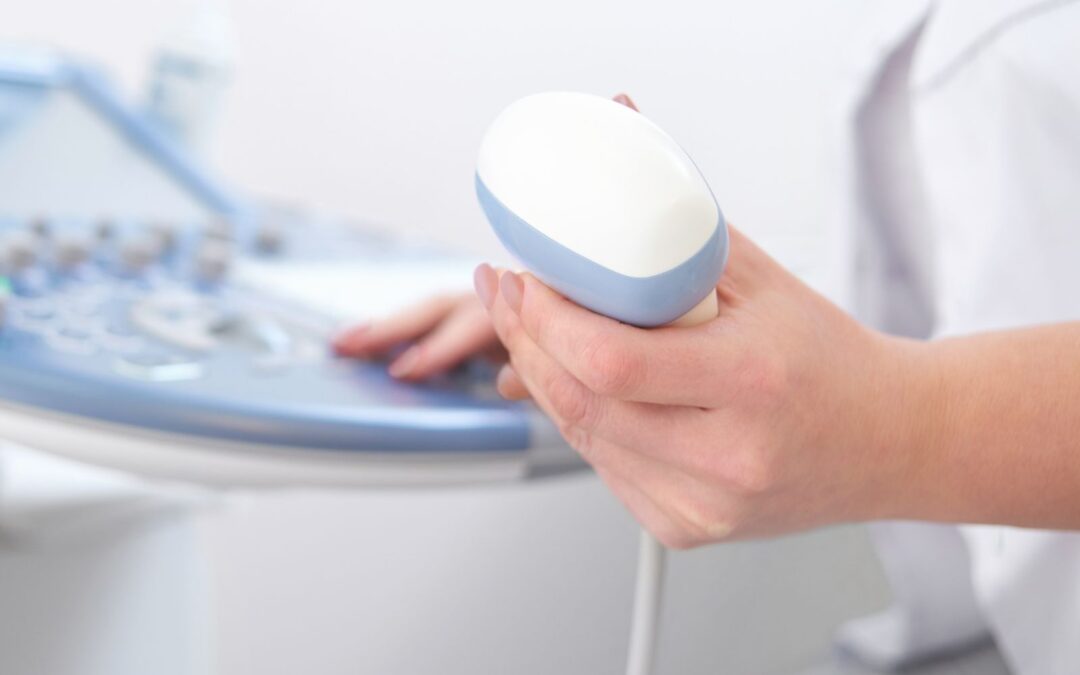
- They’ll gently glide a handheld device called a transducer over your skin, capturing images of the fetus.
- You can expect to learn about your pregnancy’s viability and gestational age, helping you make informed decisions.
Free Ultrasounds in San Antonio, Texas
You don’t have to take your next steps alone. Our trained ultrasound technicians are here to provide the support and vital information needed to make an informed decision. We offer free pregnancy tests, free ultrasounds, and a safe, compassionate space to explore your pregnancy options. Give us a call at (210) 651-1611 or schedule your appointment today.Please understand that this article does not serve as a substitute for medical advice or treatment. Our limited ultrasound examination is strictly for the purposes of confirming your pregnancy, detecting fetal cardiac activity, and estimating gestational age. We cannot diagnose any medical problems you may be experiencing, pregnancy-related or otherwise. Additionally, we do not provide or refer for abortion services.
Sources
- Texas Constitution and Statutes. (2022, August 25). Health and Safety Code Chapter 170A. Performance of Abortion. https://statutes.capitol.texas.gov/Docs/HS/htm/HS.170A.htm
- Texas Constitution and Statutes. (2021, September 1). Health and Safety Code Chapter 171. Abortion. https://statutes.capitol.texas.gov/Docs/HS/pdf/HS.171.pdf
- Cleveland Clinic. (2023, March 3). Fetal Development. https://my.clevelandclinic.org/health/articles/7247-fetal-development-stages-of-growth
- Center for Drug Evaluation and Research. (2025, January 17). Mifeprex (Mifepristone). U.S. Food and Drug Administration. https://www.fda.gov/drugs/postmarket-drug-safety-information-patients-and-providers/mifeprex-mifepristone-information
- Dvash, S., Cuckle, H., Smorgick, N., Vaknin, Z., Padoa, A., & Maymon, R. (2021, January 29). Increase rate of ruptured tubal ectopic pregnancy during the covid-19 pandemic. European journal of obstetrics, gynecology, and reproductive biology. https://www.ncbi.nlm.nih.gov/pmc/articles/PMC7968738/
- Cleveland Clinic. (2022, September 28). Ultrasound in Pregnancy. https://my.clevelandclinic.org/health/diagnostics/9704-ultrasound-in-pregnancy